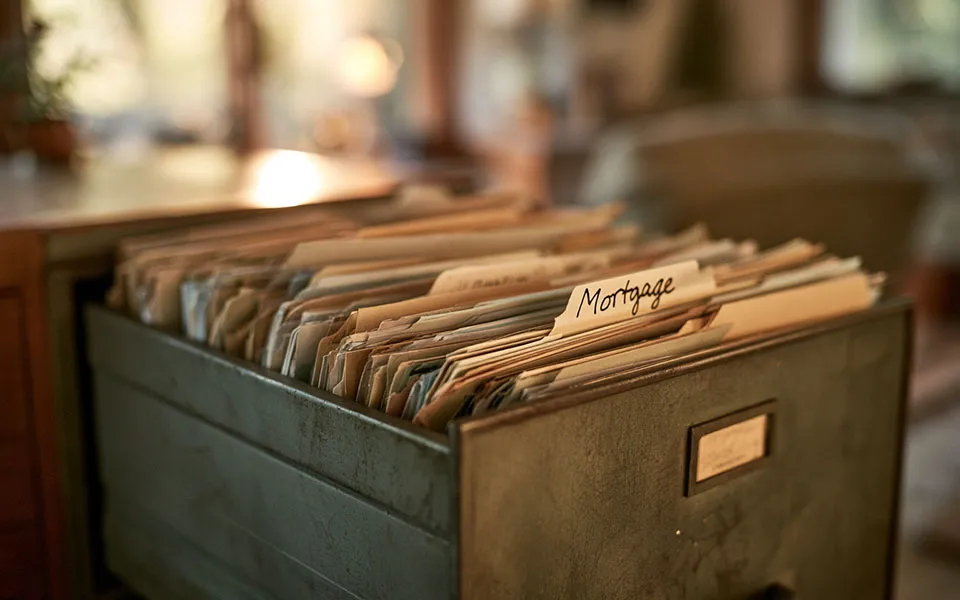
Why Long Ownership Adds Up
When a home changes hands every few years, its records stay fairly simple. When it hasn't changed hands in decades, the record keeps growing. Each refinance adds a loan and, ideally, a release. A trust or estate plan may have moved the title, or was meant to and didn't. Life events like a marriage, divorce, or death change who should be signing.
None of these are problems on their own. They become problems when the paperwork that completes them is missing, and when the only person who can supply it is hard to reach years later.
The documents that close a 20-year-old chapter are easiest to find before the sale, not during it.
Your title company will search the records either way. Gathering what you have ahead of time means any gaps turn up while there's still time to fix them, instead of a week before closing.
Old Trusts
Many long-time owners set up a living trust along the way. The question is whether the home was actually deeded into it. Some people sign a trust and never record a new deed, so the home is still in their individual names. Others recorded the deed years ago and forgot.
Either way, how the home is titled decides who signs at closing. If the home is in a trust, the trustee signs on the trust's behalf. Utah law lets a trustee provide a certification of trust instead of the whole trust document. It confirms that the trust exists, who the current trustee is, and that the trustee has the power to sell (Utah Code 75B-2-1013).
What to find: your trust document and any amendments, and the deed that transferred the home into the trust. If a successor trustee is now acting, find the documents showing that change, such as a death certificate or a resignation.
A Deceased Spouse's Name on the Deed
If a spouse or other co-owner has passed away and their name is still on the deed, their interest has to be cleared from the record before you can sell.
How that happens depends on how you held title. If you owned the home as joint tenants, the surviving owner typically records an affidavit along with a certified copy of the death certificate. If the home was held another way, or was only in the deceased spouse's name, a probate or other court process may be needed. That can take months, so start early.
What to find: a certified copy of the death certificate, your original deed showing how title was held, and any will, trust, or probate paperwork.
Past Refinances and Credit Lines
Over 20 years, many owners refinance two or three times and may open a home equity line along the way. Every one of those loans was recorded against the home, and every one that's been paid off should have a recorded release.
When a release is missing, the old loan still shows up in the title search. If the original lender has merged or closed, finding someone who can sign a release can take time.

What to find: closing statements or payoff letters from each refinance, any letters confirming a paid-off loan or HELOC, and copies of recorded releases if you received them.
Other Records Worth Pulling
- Name changes. If you married, divorced, or changed your name since buying, find the document that connects the name on the deed to the name you use now.
- Divorce decrees. If a former spouse was ever on title, find the decree and any deed transferring their interest.
- Permits for additions. A finished basement, garage, or addition built without permits can come up during the buyer's inspection or appraisal.
- HOA documents. Contact information, dues status, and any special assessments.
- Your original owner's title policy. It shows how title looked when you bought and can help the title search go faster.
A Quick Pre-listing Checklist
- Your current deed and original owner's title policy
- Trust document, amendments, and the deed into the trust
- Death certificate for any co-owner who has passed away
- Payoff letters or releases for every past mortgage and HELOC
- Marriage, divorce, or name-change documents
- Permits for major additions or remodels
- HOA contact information and statements
Don't worry if you can't find everything. Part of a title company's job is finding what's on record and helping fill in what's missing.
How Access Title Can Help
You don't have to wait for a buyer to start. Contact Access Title before you list, and we can review your title, flag anything that needs attention, and help you clear it while there's still plenty of time.
Sources
- Utah Code 75B-2-1013: Certification of trust — Utah Legislature